
News
Upcoming Presentations
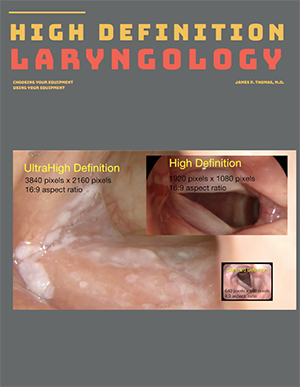
13th GCC Otolaryngology Conference - January 17-19, 2024 in Dubai, UAE on Visual Neurolaryngology, Diagnosis by Ear, and High Definition Laryngology
Phonocon 2024 - Association of Phonosurgeons of India meeting Februrary 9-11 2024 in Guwahati, India speaking on Visual Neurolaryngology, Secrets of Listening for voice disorders, Innovations in laryngology and High Definition Laryngology and selective laryngeal reinnervation workshop.
Previous Presentations
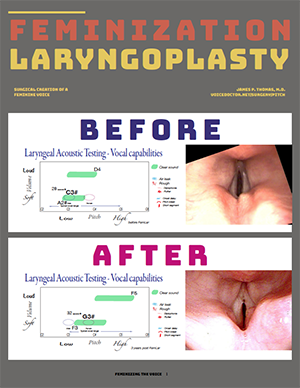
The joint meetings of the 17th Workshop on phonosurgery and IATVS on November 3-5, 2023 in Mumbai, India on transgender voice surgery and Diagnosis by Ear.
In the office, at lectures and on voicedoctor.net, I share my passion for understanding how the human voice works. I am a laryngologist, a physician who specializes in the care of the vocal cords. I find vocal cords fascinating as they are central to human interaction, from communication to art. They function at the intersection between physics and human anatomy. Whether you enjoy learning about vocal cords, looking at vocal cords or figuring out what is wrong with your own vocal cords, I hope this site provides you with something interesting to ponder.
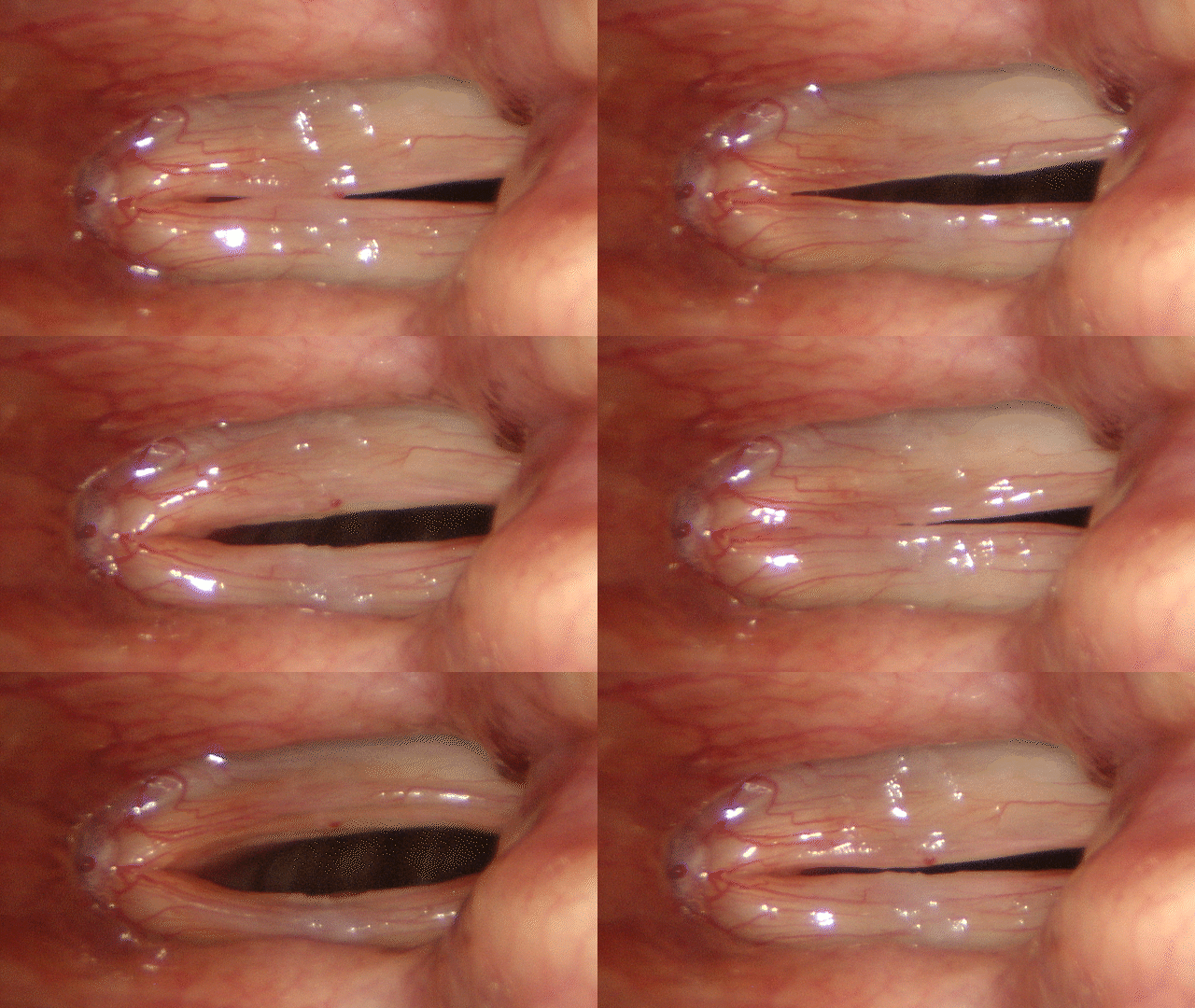
Vocal cords vibrating to make sound
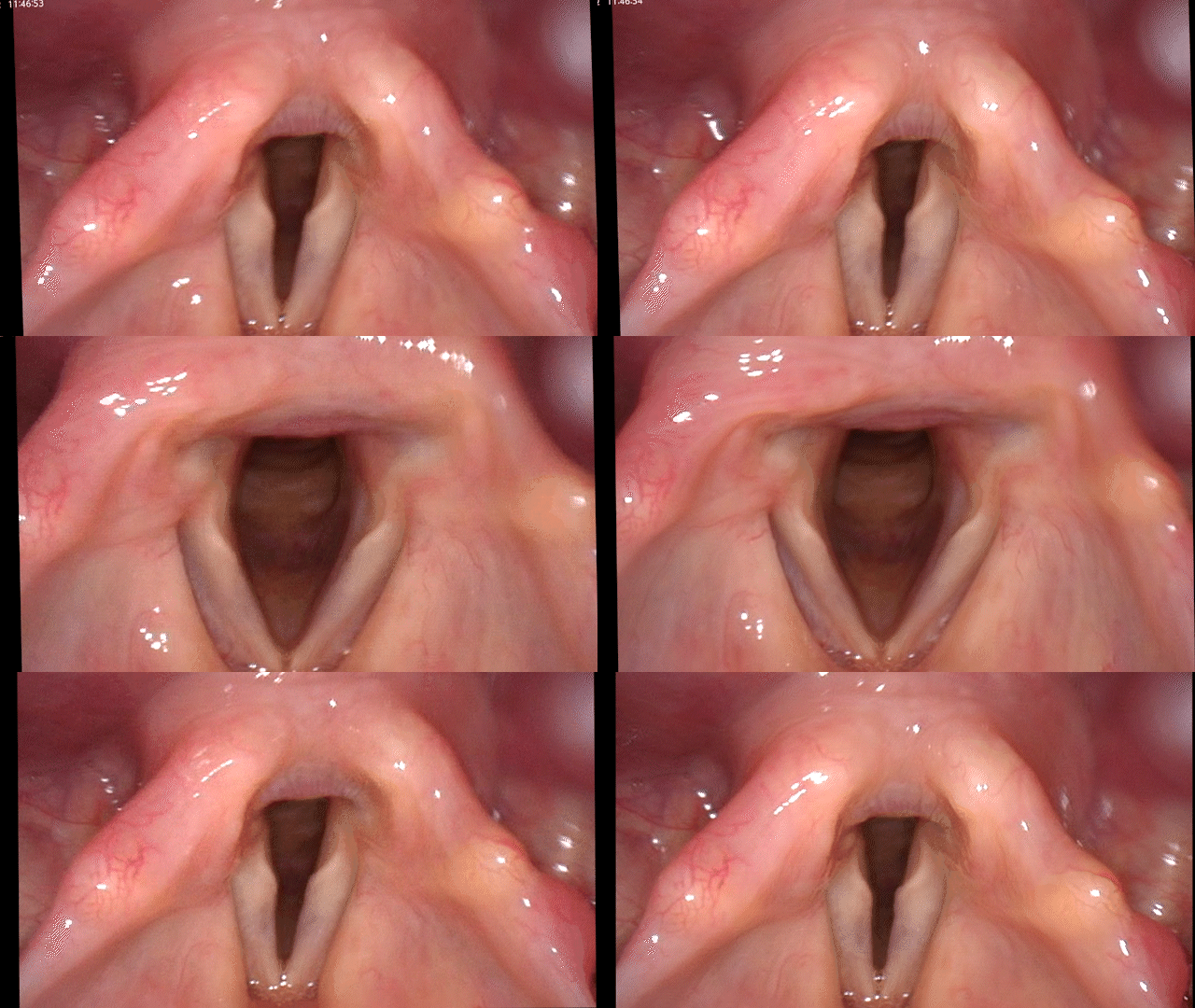
Vocal cords opening and closing for breathing
Studies
Fellowships
Do you:
- love the human voice?
- the focus of a subspecialty?
- enthusiastic about the subspecialty of voice diagnosis and treatment?
- interested in gender affirmation voice surgery?
- enjoy high definition video work?
- staying on top of endoscopic imaging?
- the complexities of diagnostic sleuthing?
- have a background in music?
You may share in our practice dedicated exclusively to laryngology/voice disorder. My current priorities for teaching and speaking on laryngology lead me to almost monthly travel around the world. Applications are being accepted for the next laryngology fellowship opening in July 2024.
Side benefits: The fellowship is located in central Portland, which is a delightful, liberal west coast city with incredible lifestyle living in an urban area. Wilderness abounds, beginning as close as a 10 minute ride from the office. We are an active gastronomic, creative beverage, coffee loving, pedestrian, transit, & cycling friendly community.
Fellowship salary is $81,000, as well as retirement benefits, health & vision insurance and malpractice insurance.
There remains options for a shorter observational fellowships throughout 2024.
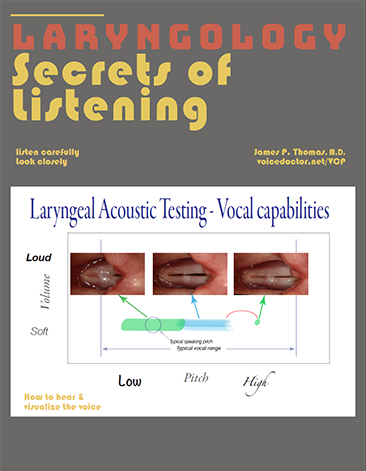
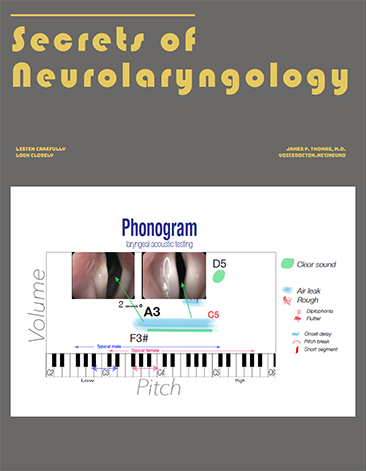
Featured PDF's


About voicedoctor.net
This site is my attempt to inform you about voice disorders from a physician's perspective. Vocal cords behave according to the laws of physics and there is not much that is mystical about them - although they are most important for transmitting verbal information and emotion from one person to another. Feel free to review my diagnostic method for voice disorders. There is also a pdf file available for an out of print publication from 2012, "Why is there a frog in my throat? A guide to hoarseness" which may be downloaded.