
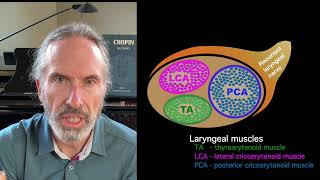
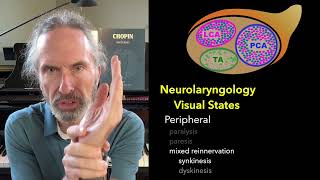
Neurolaryngology is the study of the nervous system’s control of the voice box. Most laryngeal nerve injuries are labeled “paralysis” — a term that, it turns out, rarely tells the whole story. We can explore the anatomy of the recurrent and superior laryngeal nerves, why nerves that seem to grow back may not restore proper movement, and the full spectrum of disorders that result: from paresis to dyskinesia, from spasmodic dysphonia to vocal tremor.
Visual Neurolaryngology — Video Series

Paresis – Recurrent Laryngeal Nerve
Peter McDash sounds like a frail old man, yet he plays tennis every day. One vocal cord isn’t moving. The surgery, the nerve anatomy, and why a good outcome means far more than a restored voice.
Paresis – Superior Laryngeal Nerve
Jimmy Nickel is a professional singer who lost his upper range mid-performance. His vocal cords open and close — but they can no longer stretch in pitch. A different nerve, a different injury, and no good treatment.
Dyskinesia & Paresis
Mrs. Kant Breeve’s vocal cord stopped moving after thyroid surgery 30 years ago, apparently recovered — then began cutting off her airway without warning. Paralysis is the wrong word.
Laryngeal Dystonia
A voice that cuts off mid-sentence. The muscles are closing when they shouldn’t — or opening when they shouldn’t. Adductor and abductor spasmodic dysphonia, respiratory dystonia, and what botulinum toxin can do.
Vocal Tremor
Elizabeth Longlife is 87 and doesn’t mind her shaky voice. Her children mind. A tremor is not a spasm: it is regular, rhythmic, and surprisingly manageable with the right medication.